Wan 3.0 LogoWan 3.0
Loading

Wan 3.0 · AI video

Wan 3.0 AI Video GeneratorFor Your Imagination

Generate cinematic videos from a single text prompt or image. Wan 3.0 brings real physics, multi-shot consistency, and synchronized audio to your creative workflow — no film school required.

Explore

What Is Wan 3.0?

Wan 3.0 is the latest release in Alibaba's Wan video generation series — and it represents the most significant leap the platform has made since its debut. Where earlier versions like Wan 2.6 and Wan 2.7 focused on improving basic video coherence and prompt fidelity, Wan 3.0 rethinks the generation pipeline from the ground up.

Whether you're a solo content creator building a YouTube channel, a marketer producing product demos, or an indie filmmaker experimenting with AI-assisted storytelling, Wan 3.0 is built to fit into your workflow — not replace your creative vision. It handles the technically difficult parts (physics, audio sync, frame consistency) so you can focus on the story you want to tell.

For creators, marketers, and indie film teams, Wan 3.0 removes the hard parts of AI video production: physics-aware motion, stable subjects, and shot-to-shot consistency.

For a deeper look at the features and how to get started, check out our Wan 3.0 AI video generator.

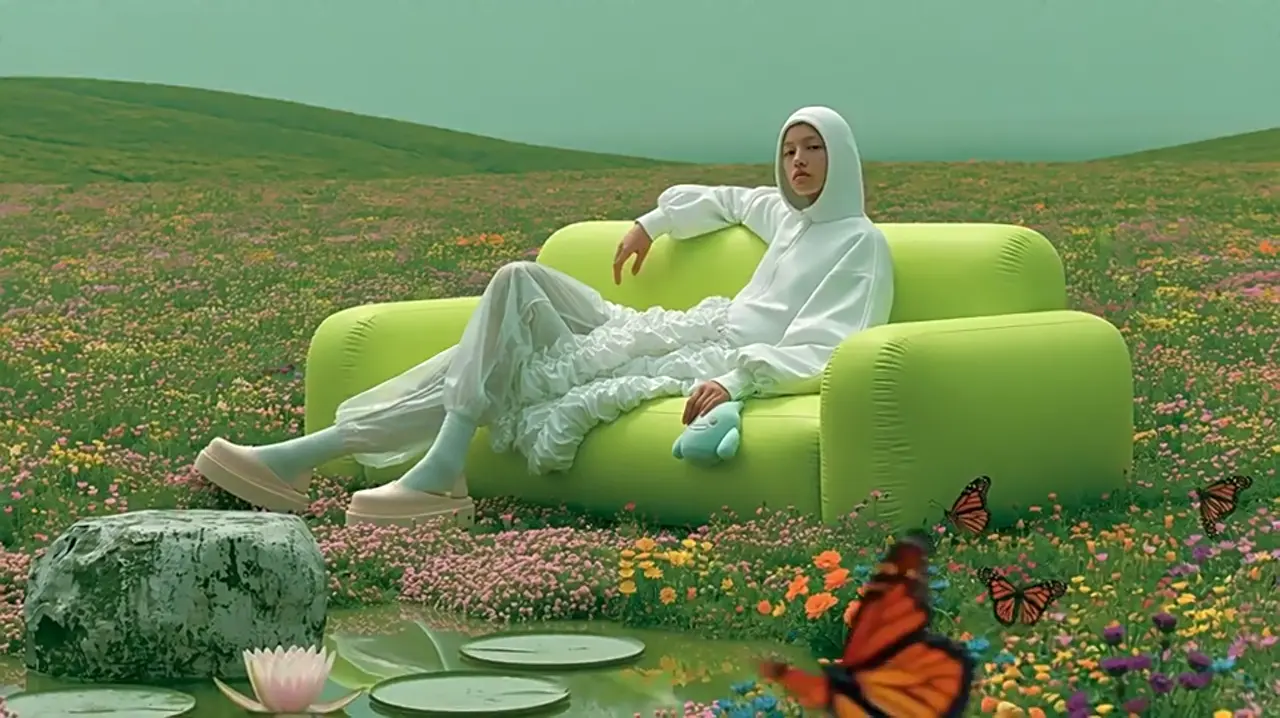
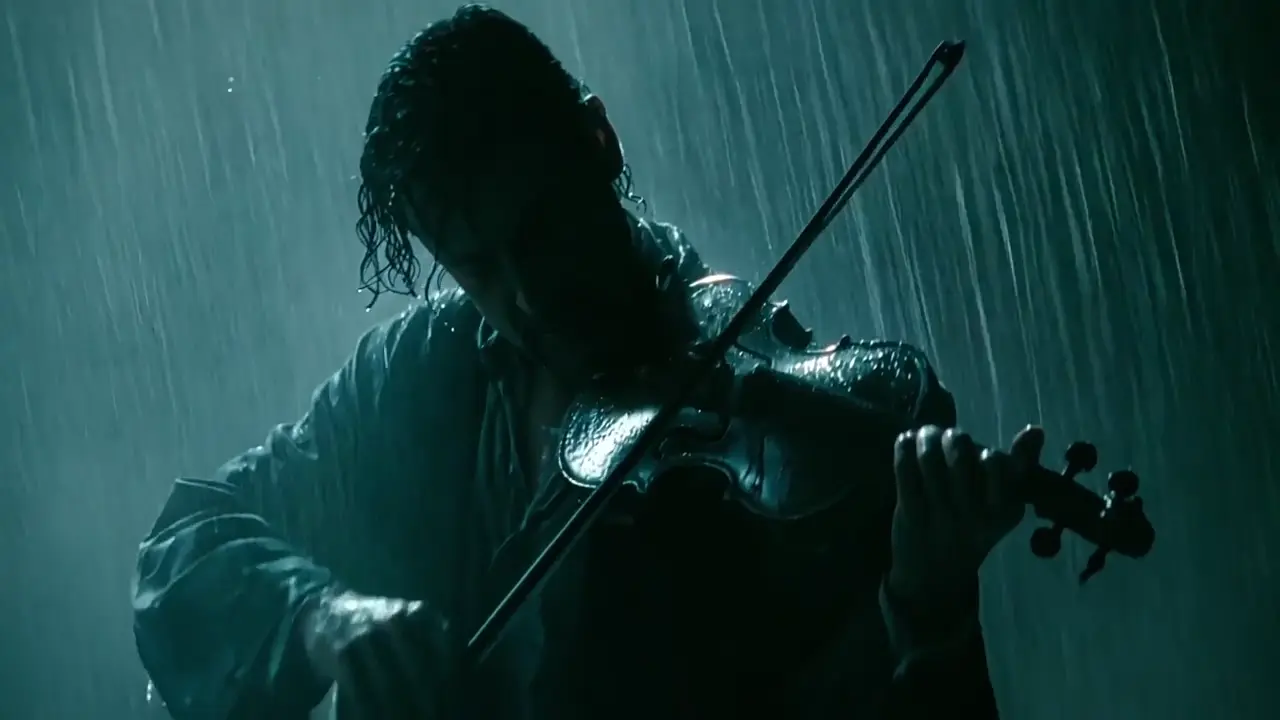
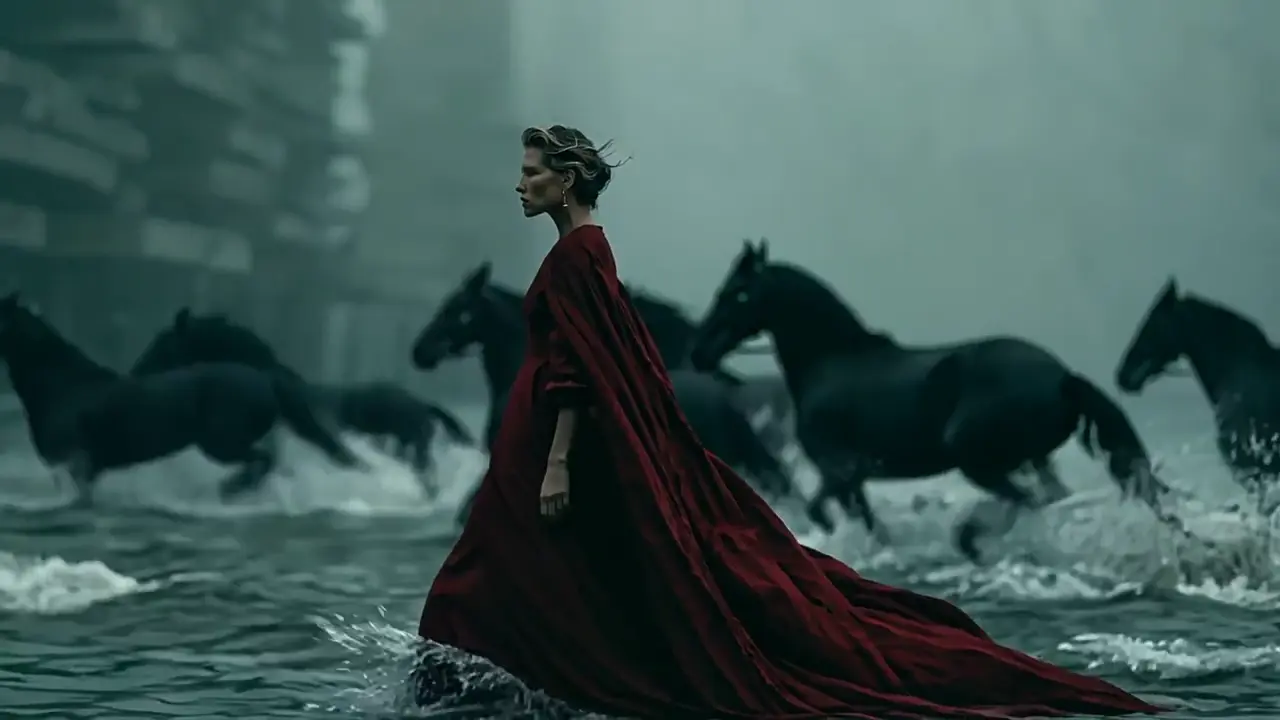
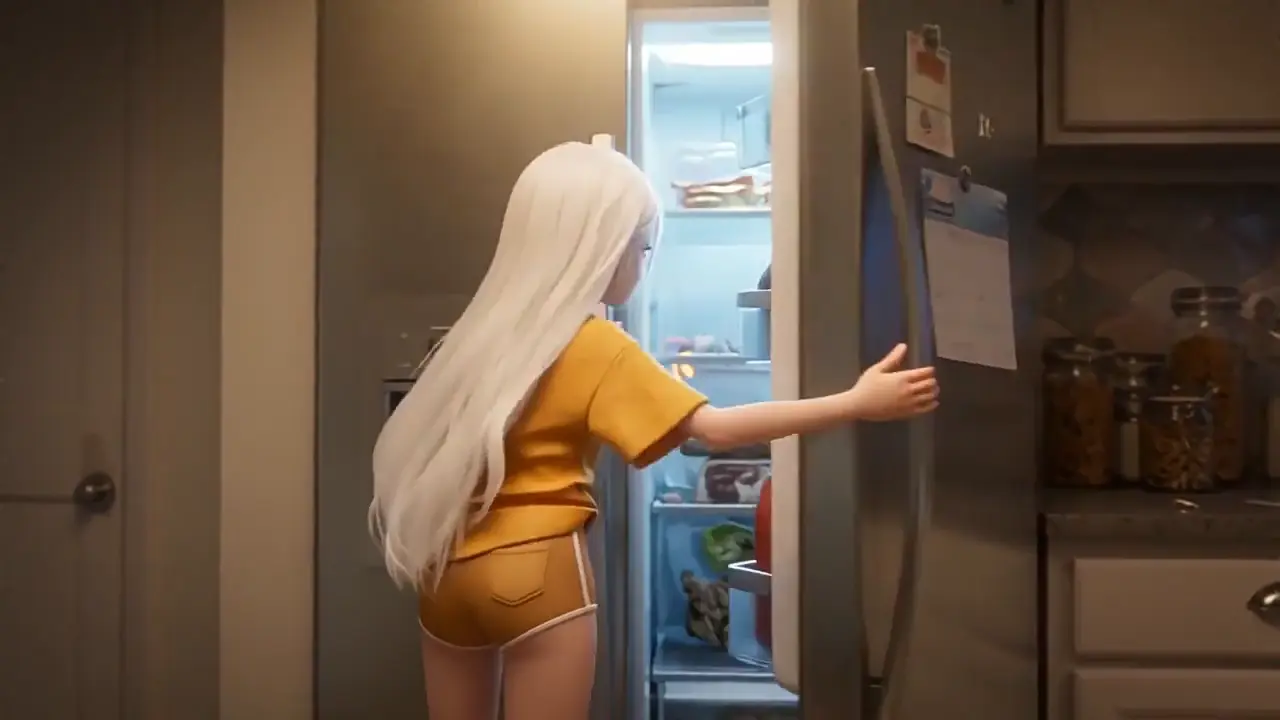
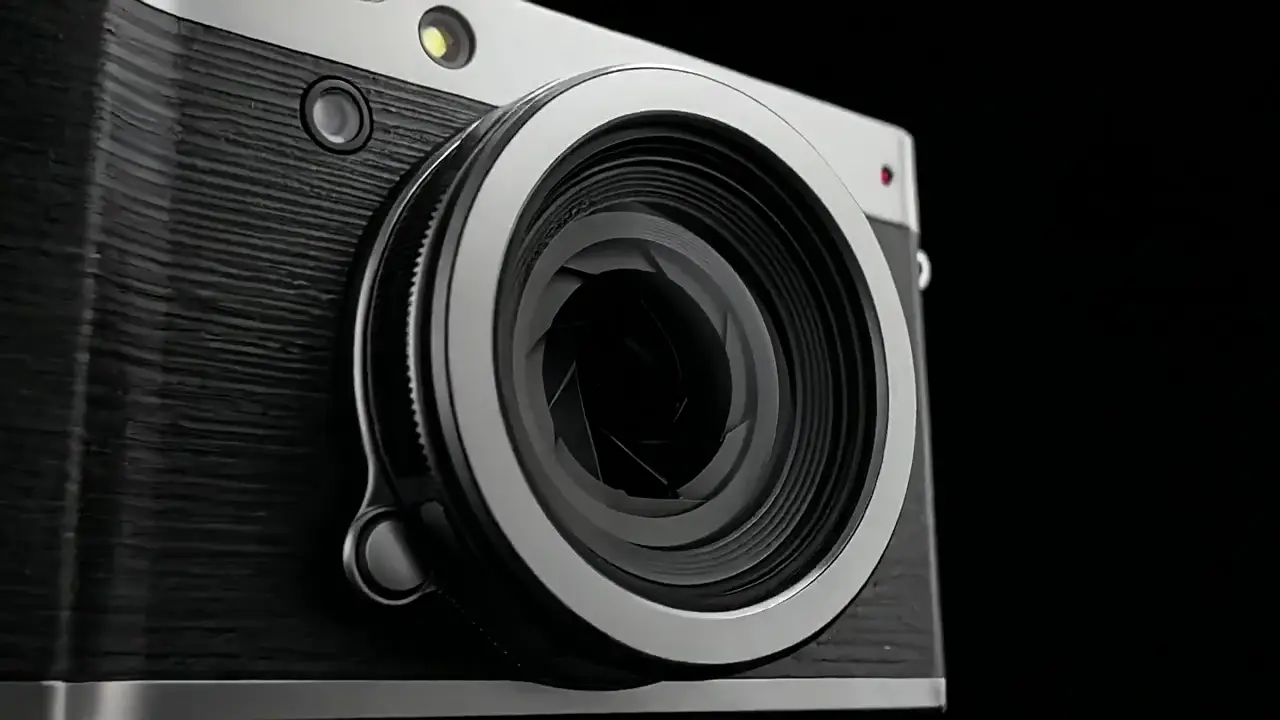
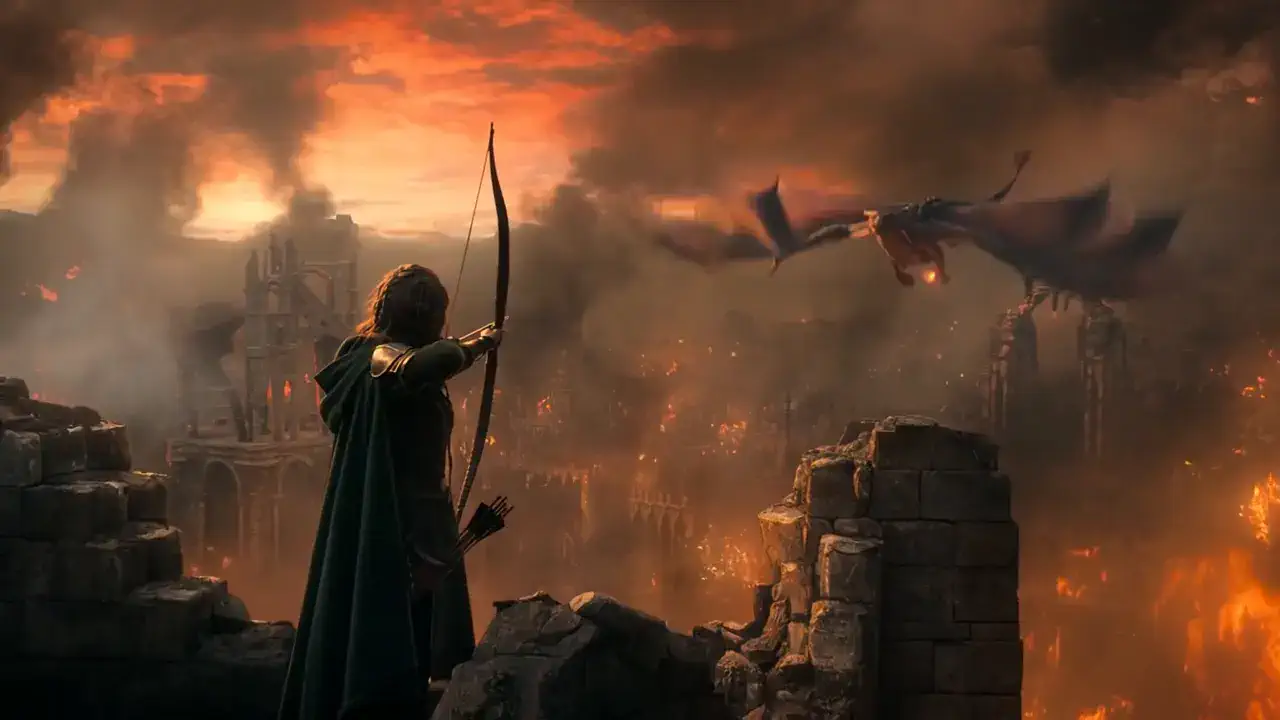
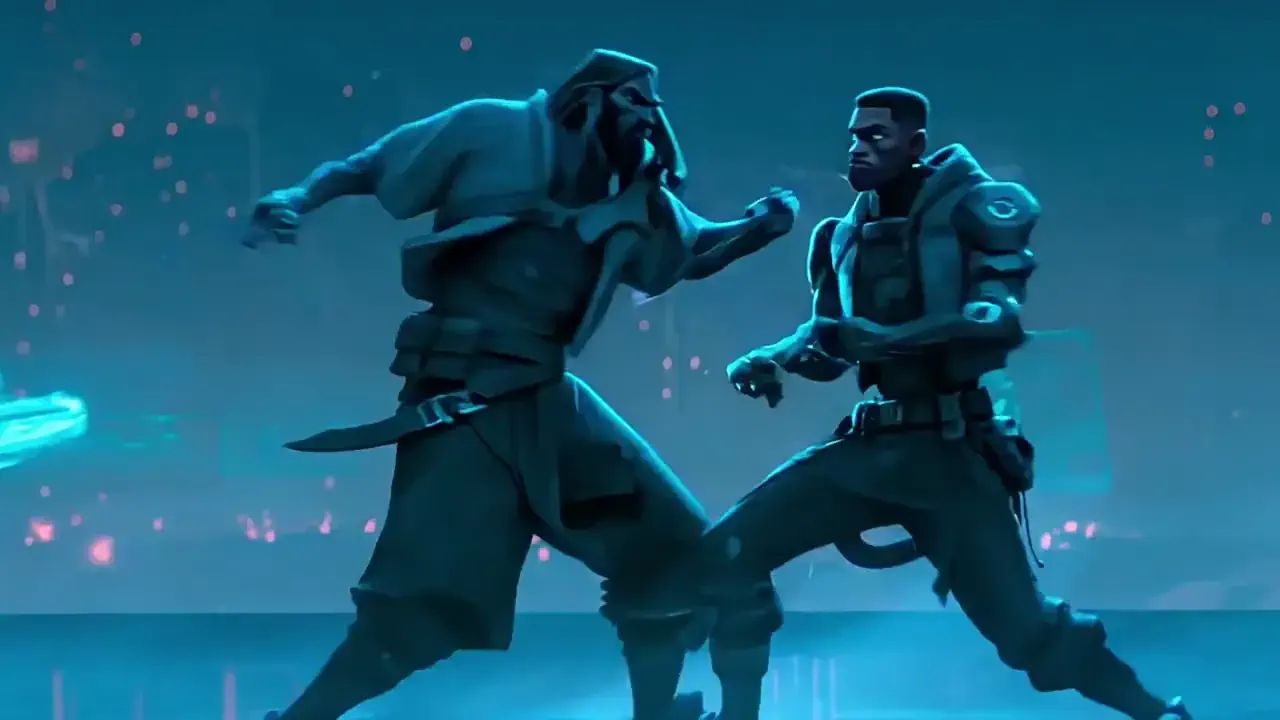
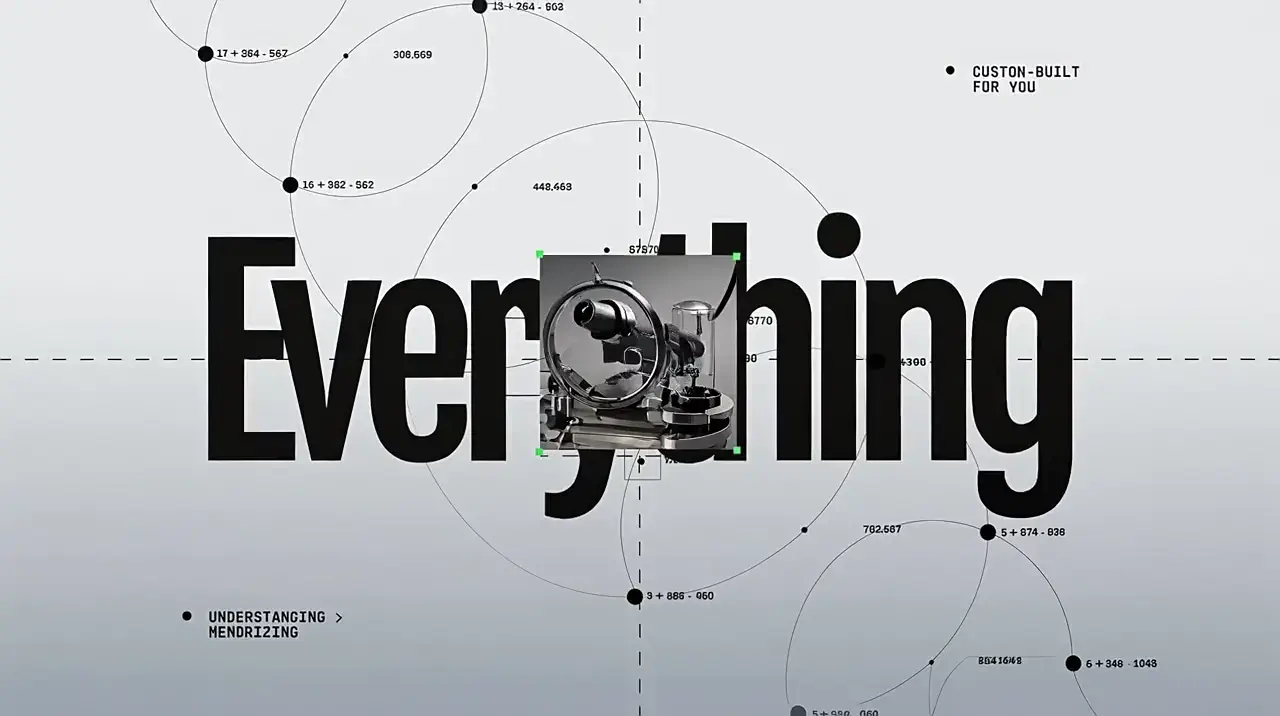
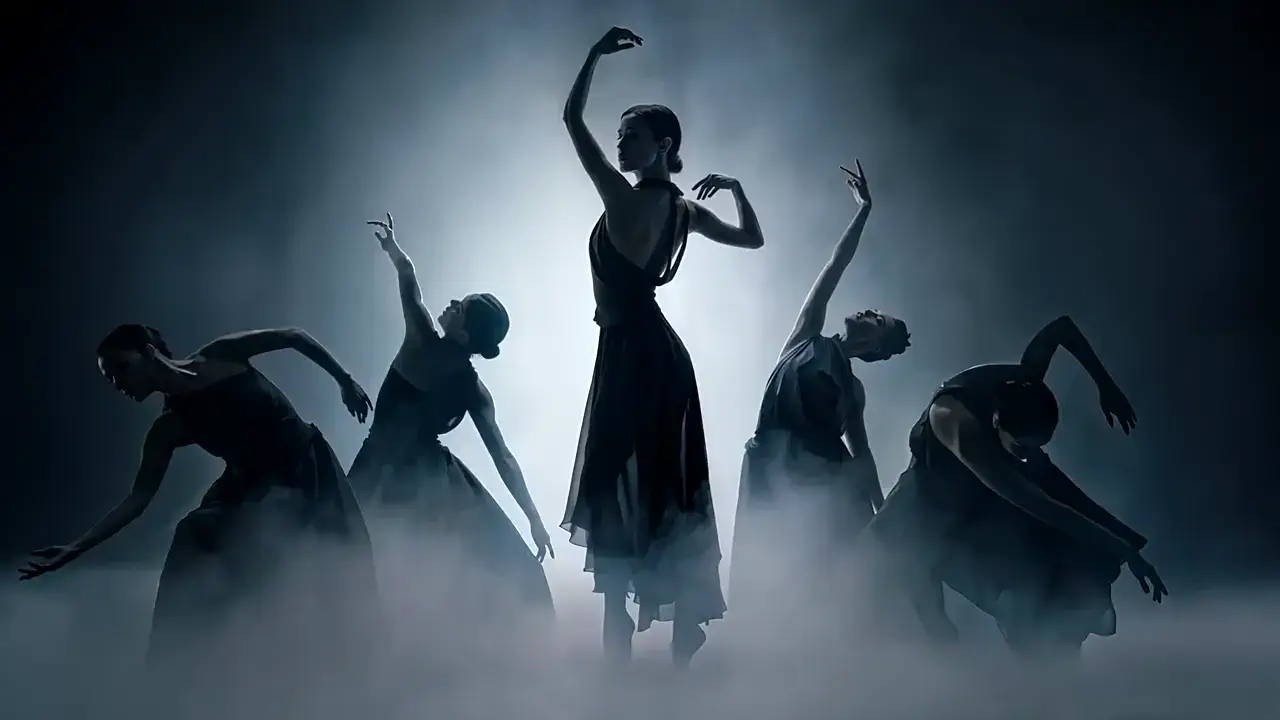
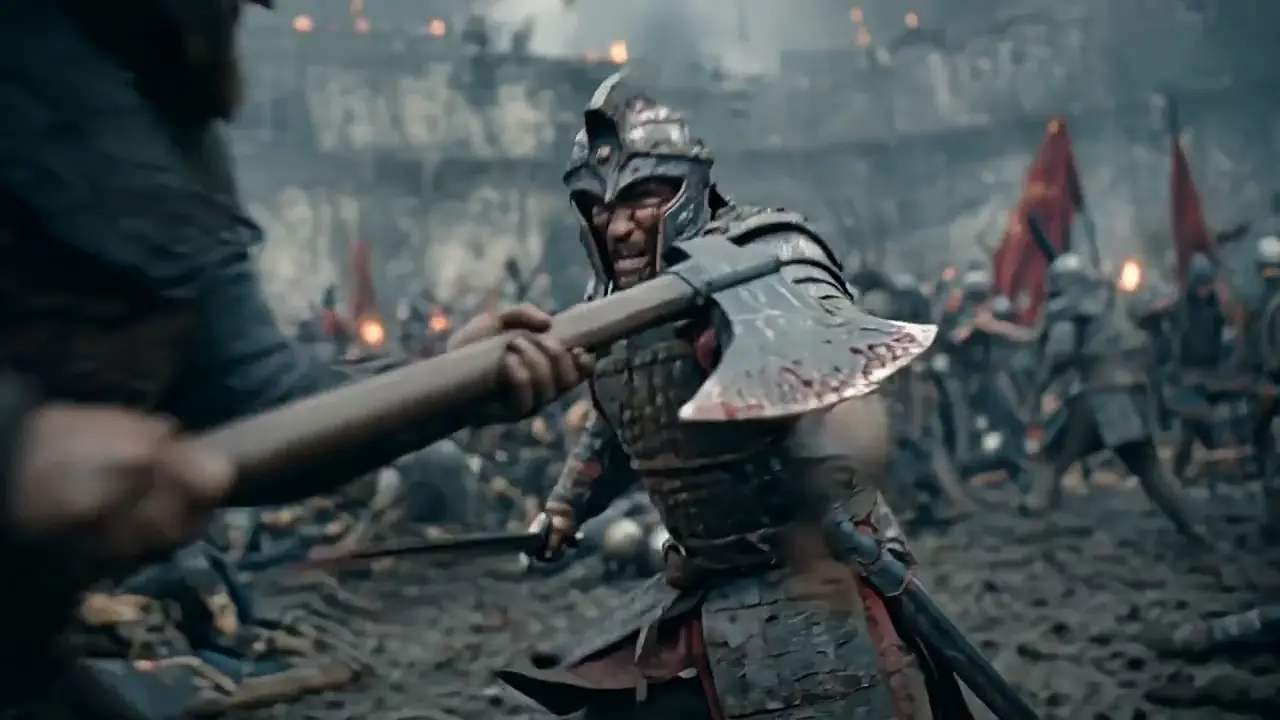
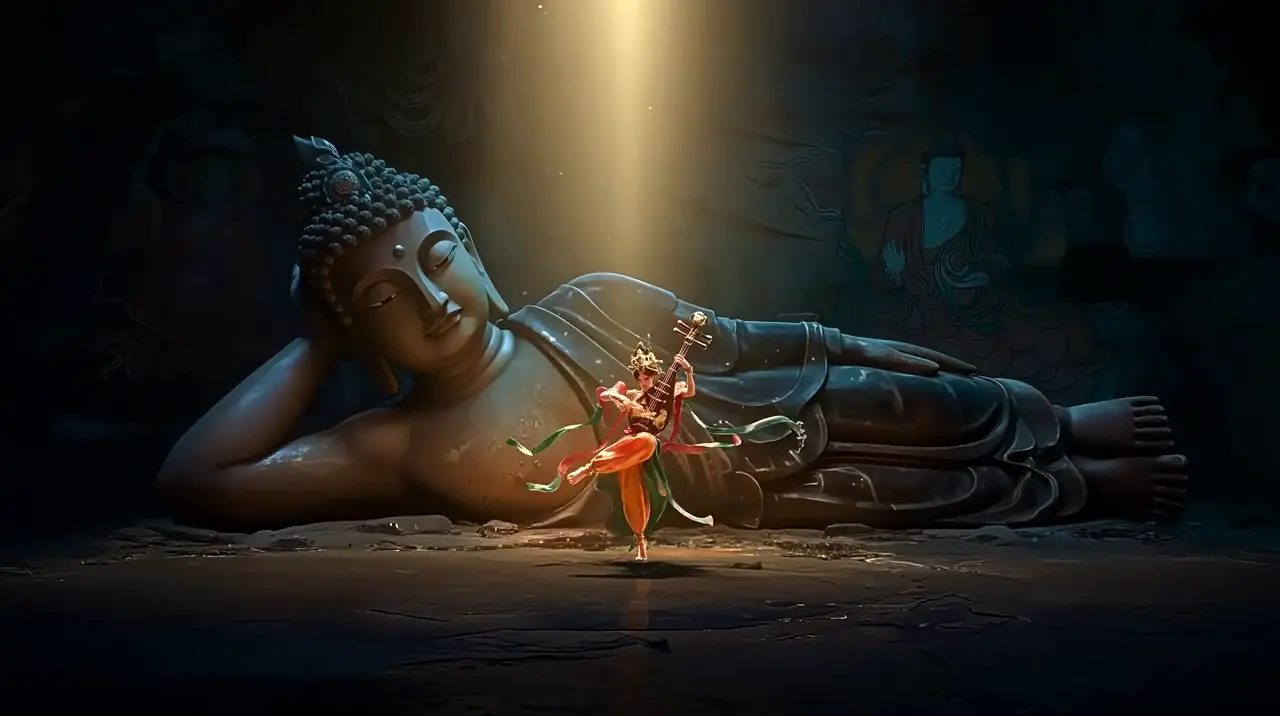
Wan 3.0 capabilities visual collage

What Makes Wan 3.0 Different

Most AI video tools give you impressive demos and disappointing reality. Wan 3.0 is designed around the problems that actually frustrate creators: characters that drift between shots, physics that looks broken, audio that doesn't match the action, and videos that top out at 1080p. Here's how Wan 3.0 addresses each of those directly.

High-Resolution Output at 60fps

Wan 3.0 generates video at up to 60 frames per second without a separate upscaling pass. Micro-details like skin texture, fabric weave, and water surface behave the way your eye expects — because they're generated at full output resolution from the start.

See full output specs →

Neural Physics Engine

Wan 3.0 has a built-in understanding of how the physical world behaves. Cloth folds under gravity. Liquids splash and settle. Smoke dissipates naturally. Rigid objects collide with realistic impact. You no longer need to prompt your way around broken physics — the model handles it by default.

Learn more about the physics engine →

Synchronized Audio Generation

This sample is cut from a multi-reference mecha brief: a relaxed pilot in the cockpit, then hard cuts to the suit sprinting through a gray, ruined city and slamming into spider-like enemies. Handheld grain, impact slow motion, and debris stay readable across those jumps—and because the brief specified sound effects only, metal stress, collisions, and ambience line up with what you see instead of a generic score added on top.

Explore all Wan 3.0 features →

Text-to-Video & Image-to-Video

Start from a written prompt, a reference image, or both. Wan 3.0's flexible input system lets you anchor your video to specific visual reference points while still giving the model room to interpret motion, lighting, and atmosphere. Great for brand-consistent content at scale.

Try the Wan 3.0 AI video generator →

Showreel

See Wan 3.0 in Action

All examples below were generated with Wan 3.0 directly from text prompts — no post-processing, editing, or compositing. Each clip includes the original prompt used for generation.

Wan 3.0

Ultra-realistic cinematic shot, wide-angle lens, dynamic motion blur, playful and energetic tone, natural daylight, slightly warm color grading. Single continuous POV shot — the camera is mounted at the front of a moving shopping cart, looking inward. A young woman sits inside the cart, laughing freely, legs up, black boots toward the lens, arms raised in the air. The cart is being pushed quickly through an empty parking lot. The background — buildings, parked cars, and asphalt — streaks with strong motion blur, emphasizing speed. The camera shakes slightly with the movement of the cart. In the foreground, hands gripping the cart handle are partially visible, reinforcing the POV. Her hair moves in the wind, expression joyful and carefree. The wide lens slightly distorts perspective, making her feet feel closer and exaggerated. The cart swerves slightly, adding natural, unscripted motion. No cuts — continuous movement as she rides, laughing, the environment rushing past, creating a spontaneous, youthful, cinematic moment.

Wan 3.0

Serious faux 80s nature-documentary dating interview. The video begins with a fast cut montage of different common animals dressed in restrained retro 80s outfits and accessories, including a poodle, beaver, chubby cat, duck, raccoon, squirrel, and horse. They are seen one after another in quick documentary-style interview glimpses, each sitting on a chair in front of a simple studio backdrop, reacting with natural animal behavior and authentic animal noises only. No background music. After the fast opening montage, the video returns to the poodle. We stay on the poodle for a short serious interview moment. The interviewer is heard off-camera with a deep, refined English voice in the style of a classic natural history presenter. The poodle does not speak English, only authentic animal noises and full-body behavior: head tilts, posture shifts, small fidgets, alert stillness, subtle proud posing, and natural reactions. Off-colors, metallic hues, soft studio lighting, subtle film grain, authentic 80s documentary tape feel, photoreal, cinematic, sincere and observational.

Wan 3.0

Ultra-realistic cinematic street shot, handheld tracking, natural daylight, slightly cool urban tones, subtle film grain, dynamic motion blur. Single continuous shot — the camera follows closely from behind a skateboarder riding fast down a city street. The framing is tight on his lower body and board, capturing one foot pushing off the ground while the other stays planted on the skateboard. He wears worn, patterned pants, black sneakers, and a black jacket. A bold red shoulder bag swings across his back, moving rhythmically with each push. The camera stays low and slightly tilted, emphasizing speed and flow. The asphalt rushes beneath him — street markings blur past. The motion is fluid but slightly shaky, like a handheld chase. Occasional pedestrians and cyclists pass in the background, softly out of focus. The skateboard wheels roll smoothly, subtle vibration through the frame. His pushing foot hits the ground repeatedly, building speed, then lifts back onto the board. The red bag catches light and contrasts sharply with the muted environment. No cuts — continuous forward motion, immersive, fast, urban, cinematic realism.

Wan 3.0

1980s New York City, gritty urban atmosphere, cinematic film grain, slightly desaturated tones. Street level tracking shot, a man in a dark suit walks with purpose along a busy sidewalk, cars passing, steam rising from vents. The camera follows closely from behind as he enters a dimly lit bowling alley. Interior shifts to warm neon lighting and retro decor. The camera continues tracking as he approaches a lane, grabs a bowling ball from the rack in one smooth motion, and throws. Seamless transition, the camera drops low and tracks the rolling ball down the lane in slow motion. The ball curves slightly and crashes into the pins, perfect strike, pins exploding outward. Retro cinematic style, smooth continuous motion, dramatic finish.

Wan 3.0

POV from inside a spacecraft in high orbit around the Moon. The spacecraft is mid-orbit, many kilometers above the surface (clearly very high altitude), not descending. Filmed through a window. Only subtle edges of the window are visible. Almost the entire frame shows the exterior view. Outside: the Moon is far below due to the high altitude, large-scale view but clearly distant, slowly drifting across the frame due to orbital motion. On the surface: a small American flag from an old mission. The flag is mounted on a very thin, straight vertical pole with a single rigid horizontal top bar extending to one side only, forming a clean upside-down L shape. No diagonal supports, no extra rods, no secondary arms, only one horizontal bar at the top. The horizontal bar is slightly shorter than the flag width, so the fabric is not fully stretched. The fabric is stiff and partially extended, not hanging downward and not flowing. It forms irregular, frozen folds and ripples caused by manual setup, not wind. The shape is uneven, with slight bunching near the pole and subtle sag toward the outer edge, exactly like Apollo reference photos. The flag looks extremely aged, faded colors, dusty, sun-bleached, and partially torn. The edges of the fabric are frayed, with small irregular rips and damage from decades (around 80 years) of exposure to space conditions. The flag is completely static, frozen in place, no wind, no movement. Camera behavior: handheld, human, slightly restless. Micro jitters, small corrections, subtle shake like someone casually filming. At around second 4: the camera operator notices the flag → brief hesitation → then a FAST, SHARP DIGITAL ZOOM-IN (1–2 seconds max). The zoom is abrupt and aggressive, slightly inaccurate at first (small overshoot), then corrected. The zoom bridges a large distance: from high orbit down to the flag, emphasizing scale. During zoom: strong pixelation increase noise intensifies significantly compression artifacts become very visible slight digital breakdown Visual texture: early 2000s camcorder, heavy grain, sensor noise, low resolution feel, color banding, low dynamic range Lighting: harsh direct sunlight, deep black shadows, realistic lunar lighting, no cinematic grading Critical constraints: vertical 9:16 composition no astronauts anywhere (inside or outside) no reflections in the glass flag must NOT move at all must clearly feel like kilometers-high orbital altitude flag pole must be a simple upside-down L (one vertical + one top bar only) NO diagonal support rods or extra structure fabric must look stiff and artificially held open, not wind-blown no cinematic polish, raw accidental footage fee

Wan 3.0

A narrow rural dirt road surrounded by dense Mediterranean vegetation and tall eucalyptus trees. A parked Ford S-MAX sits in the background near a stone wall. In the foreground, a young man in dark casual clothes stands still, focused on his phone. The atmosphere is calm, natural daylight, soft wind moving leaves. Suddenly, subtle mechanical sounds begin from the parked car. The Ford S-MAX starts transforming — panels shifting, metal folding with realistic weight, headlights splitting into glowing mechanical eyes. The transformation is grounded, heavy, industrial, with accurate car-part articulation (doors, chassis, wheels, suspension forming limbs), no excessive sci-fi glow, realistic metal physics. At the same moment, a second man who was sitting on stone steps by the wall quickly stands up, startled, and runs urgently toward the man with the phone. The standing man looks up confused, then both turn toward the now fully formed Transformer robot built from Ford S-MAX parts. The robot emits a deep mechanical growl. They lock eyes with the robot for a brief moment. Both men panic and start running away down the dirt road, stumbling slightly on gravel. The Transformer, angry and aggressive, smashes part of the wall and nearby vegetation with heavy force. Dust, debris, and stones explode into the air. It begins chasing them with massive, weighty steps, crushing the ground beneath it. Cinematic, dramatic lighting, shallow depth of field, strong depth of field separation, 50mm lens, grounded camera, locked tripod or slow mechanical dolly push-in, natural inertia, no drone movement. Kodak 5247 film look, warm tones, soft highlight roll-off, subtle halation, fine organic grain, no HDR, no digital sharpness. Realistic transformation mechanics, no morphing geometry, car parts retain identity, heavy weight simulation, natural human motion, accurate foot contact, realistic dust and debris physics. Negative prompt: floating camera, drone movement, CGI smoothness, morphing geometry, rubber limbs, unrealistic speed, oversharpening, HDR look, glowing sci-fi effects, cartoon physics, face distortion, unstable characters

Want to see how these compare to Seedance 2.0? See Full Comparison

Creation Pipeline

How it works

Three steps from idea to file you can publish. No separate motion package or audio pass required for supported plans.

  1. Step 1

    Write prompt

    Write prompt

    Set the scene, camera move, and mood. Add an optional reference image when you want the look locked in.

  2. Step 2

    Set parameters

    Set parameters

    Pick duration, aspect ratio, and quality tier. Wan 3.0 balances fidelity with turnaround so you can iterate fast.

  3. Step 3

    Download video

    Download video

    Review the render, refine the prompt if needed, then export in the format your editor or ads manager expects.

Audiences

Who Uses Wan 3.0 — and What For

Wan 3.0 is general-purpose by design. These are the workflows where creators and teams are already getting the most value.

Content Creators & YouTubers

Content Creators & YouTubers

Turn episode concepts, travel footage B-roll descriptions, or tutorial intros into ready-to-edit video clips. Wan 3.0 helps solo creators produce at a pace that previously required a full video team. Generate multiple variations of the same scene and pick the best take.

Marketing & Advertising Teams

Marketing & Advertising Teams

Produce product demo videos, social media content, and campaign hero videos without a production budget. Wan 3.0 maintains visual consistency across a series of ads — same brand color palette, same environment, same product presentation — shot after shot.

Indie Filmmakers & Storytellers

Indie Filmmakers & Storytellers

Use Wan 3.0 to visualize scenes before committing to a shoot, generate background plates, or create short-form narrative content entirely within the AI pipeline. Multi-shot consistency makes it possible to cut together coherent sequences that hold up on a large screen.

Educators & Explainer Video Producers

Educators & Explainer Video Producers

Bring complex concepts to life with custom visuals generated on demand. No stock footage licensing, no animator required. Describe the process or scenario you want to illustrate, and Wan 3.0 builds the visual around your script.

E-Commerce & Product Photography

E-Commerce & Product Photography

Generate product showcase videos — rotating views, lifestyle contexts, studio setups — directly from product images. Wan 3.0's image-to-video pipeline preserves product fidelity while adding professional motion and lighting.

Developers & API Users

Developers & API Users

Integrate Wan 3.0 into your application, automation pipeline, or AI-assisted creative tool via the REST API. Self-host on your own infrastructure using the open-source model weights, or call the managed cloud API for a pay-per-generation setup with no DevOps overhead.

Signal

Why Creators Are Switching to Wan 3.0

There are a growing number of AI video tools on the market. Here's what consistently brings creators back to Wan 3.0 — and keeps them from switching to something else.

Output quality you can actually publish

Wan 3.0 native 4K output doesn't require any cleanup before it goes live. The detail level at 3840×2160 holds up in fullscreen playback on YouTube, in ads, and on display screens.

Physics that doesn't break immersion

Hair moves with air currents. Water flows around obstacles. Fabric drapes naturally. These are the details that separate believable video from obviously AI-generated content — and Wan 3.0 gets them right by default.

Audio that belongs in the scene

Generated audio in Wan 3.0 is conditioned on the visual environment, not applied as a generic sound layer. The difference is immediately audible.

Open-source transparency

Because the core model is open-source, you can inspect what you're working with, fine-tune it on your own data, and know exactly how your content is being processed. No black-box surprises.

60-second generation without the drift

Most AI video models start to lose character and scene consistency after 10–15 seconds. Wan 3.0 maintains structural identity through full 60-second sequences — enough to build a complete narrative arc.

Flexible input modes

Whether you're starting from scratch with a text prompt, anchoring to a reference image, or building on top of an existing video clip, Wan 3.0 handles all three input types within the same pipeline.

Versions

How Wan 3.0 Compares to Previous Versions

If you've used Wan 2.6 or Wan 2.7, you already know the baseline. Wan 3.0 isn't an incremental patch — it's a rearchitected model with fundamentally different capabilities in the areas that matter most to working creators.

CapabilityWan 2.6Wan 2.7Wan 3.0
Max Resolution1080p1080p4K Native
Max Frame Rate24fps24fps60fps
Max Video Length16s16s60s
Multi-Shot ConsistencyBasicImprovedCross-cut stable
Physics SimulationMinimalPartialFull neural physics
Audio GenerationSynchronized audio
Input ModesTextText + ImageText + Image + Video
Open-Source

Wan 3.0 is the version where the gap between “AI-generated” and “professionally produced” starts to close.

Voices

What Creators Are Saying About Wan 3.0

Wan 3.0 is being used by content creators, agencies, and indie filmmakers across the US. Here's what some of them have shared.

The physics in Wan 3.0 genuinely surprised me. I generated a pour shot for a coffee brand — the liquid moved exactly how you'd want it to. I would have paid a production crew $800 for that shot.

Marcus T.

Marcus T.

Freelance Commercial Videographer

The prompt adherence is strong enough for ad testing. We generate 10-15 hooks per week and iterate faster than our old edit pipeline.

Daniel M.

Daniel M.

Performance Creative Lead

The multilingual prompt quality is better than expected. Our EU team uses the same workflow and output quality stays consistent.

Luca P.

Luca P.

Global Content Ops

The physics in Wan 3.0 genuinely surprised me. I generated a pour shot for a coffee brand — the liquid moved exactly how you'd want it to. I would have paid a production crew $800 for that shot.

Marcus T.

Marcus T.

Freelance Commercial Videographer

The prompt adherence is strong enough for ad testing. We generate 10-15 hooks per week and iterate faster than our old edit pipeline.

Daniel M.

Daniel M.

Performance Creative Lead

The multilingual prompt quality is better than expected. Our EU team uses the same workflow and output quality stays consistent.

Luca P.

Luca P.

Global Content Ops

I produce explainer videos for SaaS companies. Wan 3.0 cut my production time in half. The 60-second multi-shot capability is the thing that actually made it useful — I can generate a full narrative sequence without the characters falling apart.

Priya S.

Priya S.

Video Content Strategist

For product shots, reflections and small object motion are much more stable than what we saw in other tools. That consistency matters for ecommerce.

Nina K.

Nina K.

Ecommerce Content Manager

I replaced expensive stock footage for explainer intros. The turnaround is fast enough to publish the same day for trend-based content.

Sarah J.

Sarah J.

YouTube Strategist

I produce explainer videos for SaaS companies. Wan 3.0 cut my production time in half. The 60-second multi-shot capability is the thing that actually made it useful — I can generate a full narrative sequence without the characters falling apart.

Priya S.

Priya S.

Video Content Strategist

For product shots, reflections and small object motion are much more stable than what we saw in other tools. That consistency matters for ecommerce.

Nina K.

Nina K.

Ecommerce Content Manager

I replaced expensive stock footage for explainer intros. The turnaround is fast enough to publish the same day for trend-based content.

Sarah J.

Sarah J.

YouTube Strategist

We tested every major AI video tool before committing. Wan 3.0 won on output quality and open-source flexibility. The API integration took less than a day to set up, and we've been running it in production for three months.

Jordan W.

Jordan W.

CTO at a boutique creative agency

I teach editing workshops and students understand scene construction faster when they can prototype ideas in Wan 3.0 before touching a timeline.

Thomas L.

Thomas L.

Film Educator

Scene continuity over longer clips made the difference for us. We can actually chain shots without everything resetting stylistically.

Jake N.

Jake N.

Motion Designer

We tested every major AI video tool before committing. Wan 3.0 won on output quality and open-source flexibility. The API integration took less than a day to set up, and we've been running it in production for three months.

Jordan W.

Jordan W.

CTO at a boutique creative agency

I teach editing workshops and students understand scene construction faster when they can prototype ideas in Wan 3.0 before touching a timeline.

Thomas L.

Thomas L.

Film Educator

Scene continuity over longer clips made the difference for us. We can actually chain shots without everything resetting stylistically.

Jake N.

Jake N.

Motion Designer

I run a one-person studio and Wan 3.0 lets me deliver campaign variants in hours. I can match brand moodboards quickly and still keep motion believable.

Olivia R.

Olivia R.

Social Video Producer

We use it for pre-visualization before live shoots. It cuts alignment time with clients because they can approve pacing and framing early.

Maya C.

Maya C.

Creative Director

I generate fitness demo backgrounds and b-roll in batches now. It saves us from repeating outdoor shoots every week.

Amanda F.

Amanda F.

Fitness Content Creator

I run a one-person studio and Wan 3.0 lets me deliver campaign variants in hours. I can match brand moodboards quickly and still keep motion believable.

Olivia R.

Olivia R.

Social Video Producer

We use it for pre-visualization before live shoots. It cuts alignment time with clients because they can approve pacing and framing early.

Maya C.

Maya C.

Creative Director

I generate fitness demo backgrounds and b-roll in batches now. It saves us from repeating outdoor shoots every week.

Amanda F.

Amanda F.

Fitness Content Creator

Plans

Wan 3.0 Simple, Transparent Pricing

Wan 3.0 is designed to be accessible at every scale — from individual creators testing the platform to teams running production pipelines. All paid plans include full 4K output, commercial use rights, and no watermarks.

Starter
$9.9
  • 99 credits included
  • $0.10 per credit
  • create HD text-to-video or image-to-video clips with natural native audio
  • 720p export, No watermark download
  • Commercial use license
  • Standard queue speed
  • Email support
Basic
$29.9
  • 350 credits included
  • $0.085 per credit
  • Faster HD generation for daily content
  • Text to Video & Image to Video with native audio
  • 1080p export, No watermark download
  • Commercial use license
  • Priority queue speed
  • Priority support (email)
Most Popular
Plus
$49.9
  • 600 credits included
  • $0.083 per credit
  • Scale creative runs with better stability and look
  • Text to Video & Image to Video with native audio
  • 1080p export, No watermark download
  • Commercial use license
  • Faster priority queue + up to 5 concurrent jobs
  • Priority support
Professional
$99.9
  • 1250 credits included
  • $0.079 per credit (best value per credit)
  • High-volume, professional delivery and teams
  • Text to Video & Image to Video with native audio
  • 1080p export, No watermark download
  • Commercial use license
  • Fastest queue + up to 10 concurrent jobs
  • Full effects pack + early access to new features
  • 24/7 priority support
  • Bulk processing
  • API access (coming soon)
7‑Day Refund
Money-back guarantee
Secure Payment
Powered by Stripe
24/7 Support
Always here to help

Choose one-time credits or subscription • Flexible billing options

✓ Choose one-time or subscription✓ Credits never expire✓ Secure payments✓ Email support

Frequently Asked Questions About Wan 3.0

Wan 3.0 is the third major generation of Alibaba's open-source Wan video generation model series. Unlike Wan 2.7, which maxed out at 1080p and 16-second clips, Wan 3.0 supports native 4K resolution, 60fps output, and videos up to 60 seconds long. More significantly, Wan 3.0 introduces a neural physics engine for realistic object behavior, synchronized audio generation, and cross-shot character consistency that holds up through full multi-shot sequences. It's not an incremental patch — the model architecture has been substantially redesigned.

Ready to Create With Wan 3.0?

Wan 3.0 is available right now — no waitlist, no complicated setup. Start with the free plan to test the output quality, or go straight to Pro for unlimited 4K generation with commercial rights. The same model is available open-source if you want to run it on your own infrastructure.

Free plan includes 5 generations per month at 1080p. No watermark on paid plans. Commercial use included with all paid plans.

Wan 3.0

© 2025 Wan 3.0. All rights reserved.

support@wan30.co

Disclaimer: Wan 3.0 is an independent AI video generation platform. We are not affiliated with, endorsed by, or sponsored by any third-party AI model providers, including the creators or maintainers of models referenced on this site. Outputs are provided for creative and informational purposes only and are not professional, legal, or financial advice. We do not warrant accuracy, quality, or fitness for any particular use. You are solely responsible for your prompts, uploads, and use of generated content, including compliance with applicable laws and third-party rights.